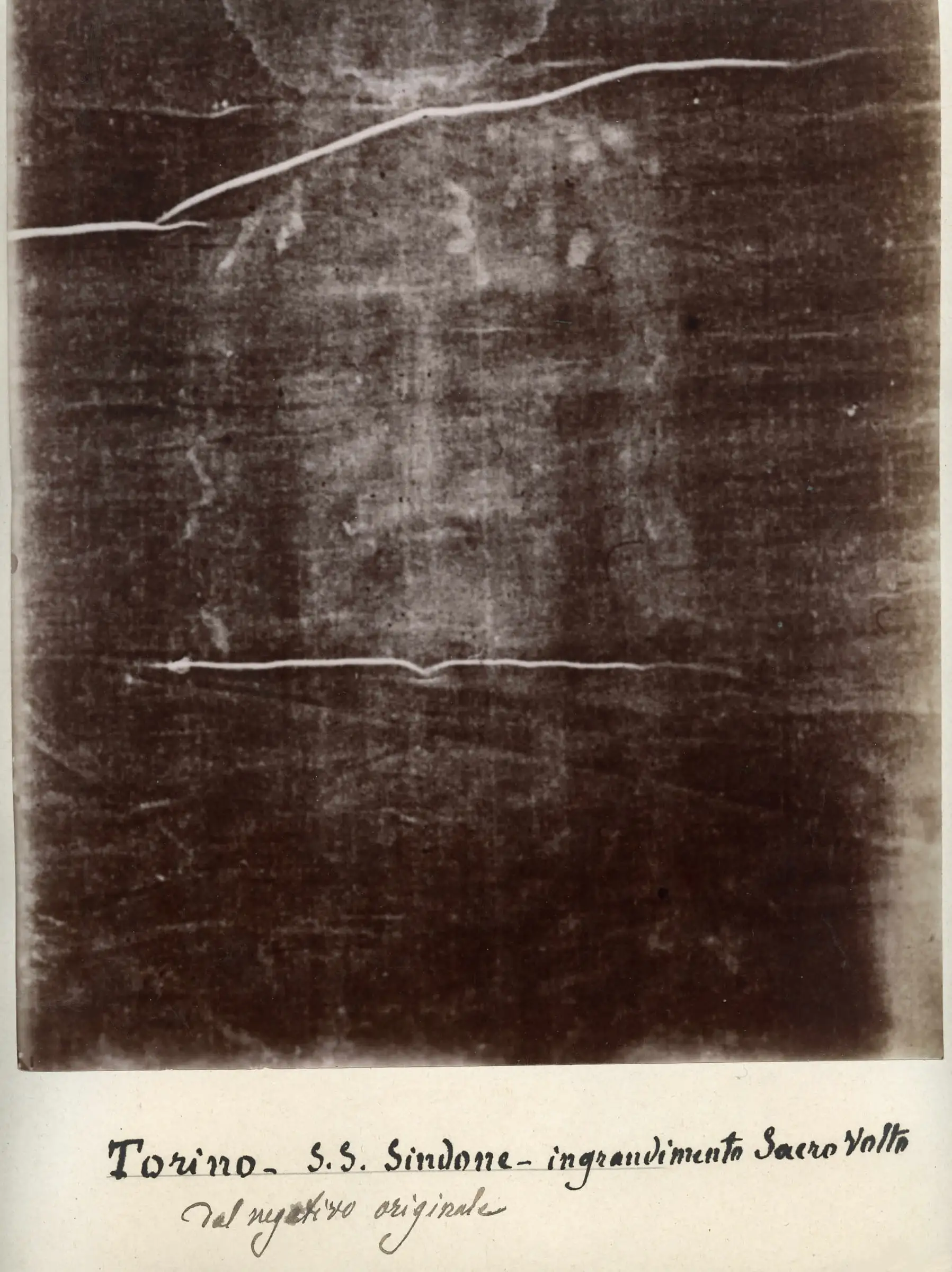
THE SHROUD OF TURIN
A length of linen, fourteen feet long, with the faint image of a crucified man on it. Photographed for the first time in 1898. Examined for five days in 1978. Carbon-dated in 1988. Still unexplained.
What is known
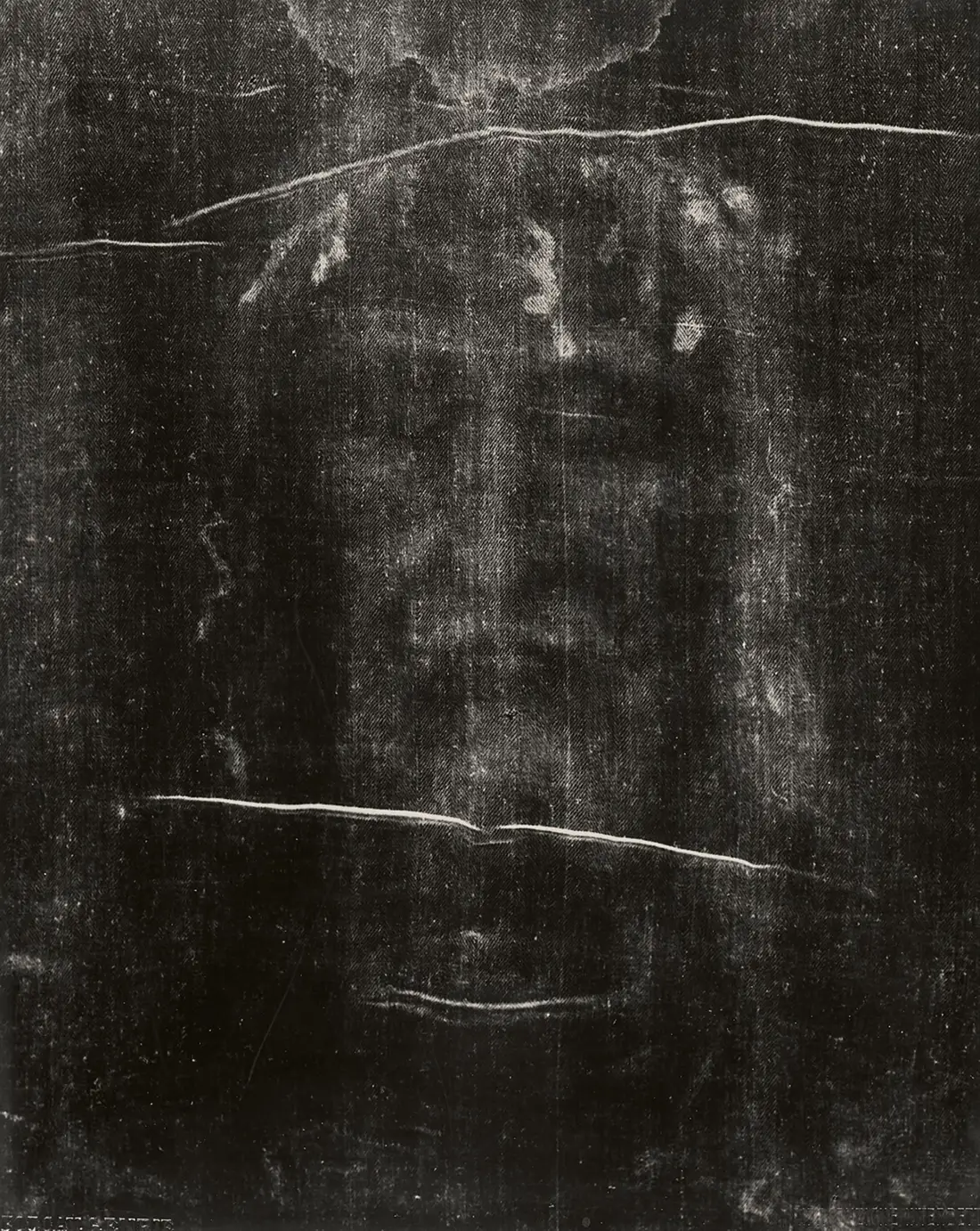
The cloth, the image, the blood, and the examination of October 1978. Everything measured, with the source.
The Image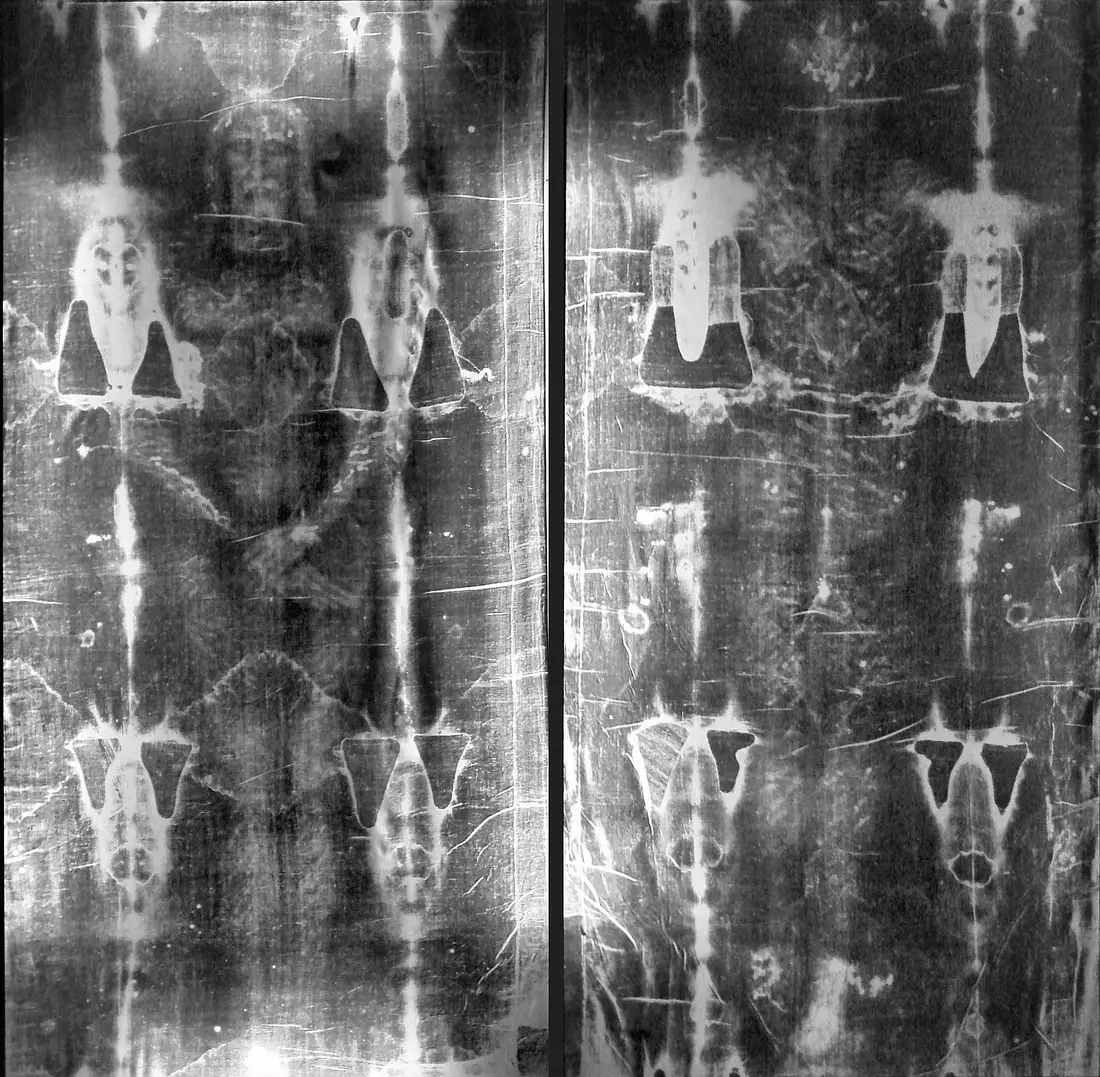
What is argued
The medieval date, the repair theory, the painting theory, the energy theories, and the Church's own position. Both sides, at full strength.
The Debate
What the film invented
SINDON is a film, not a documentary. Five composite characters, a sealed room, a chalkboard and a page to sign. Here is the line between the record and the story.
Fact and FilmSeven things no serious party disputes.
The image on the cloth is a photographic negative. Discovered by Secondo Pia, 28 May 1898. Documented Pia
The image encodes three-dimensional information. Discovered on a VP-8 Image Analyzer by John Jackson and Eric Jumper, 19 February 1976. Documented Schumacher
In October 1978 a team of American scientists examined the cloth around the clock for about 120 hours in the Royal Palace of Turin. Nothing like it had happened before and nothing like it has happened since. Documented Chronology
In 1981 the team concluded that the image "is not the product of an artist" and that how it was produced "remains, now, as it has in the past, a mystery." Documented STURP 1981
In 1988 three laboratories carbon-dated a corner sample to AD 1260 to 1390, and the Church announced the result itself. Documented Nature 1989
The Church has never declared the Shroud authentic. It has owned the cloth since 1983 and calls it an icon. Documented JP II 1998
No one has produced a full-size copy that matches all of the image's measured properties at once. Documented STURP 1981 Vatican News 2026
SINDON The Shroud of Turin
SINDON: The Shroud of Turin. A feature film from World's Fair Pictures. October 1978. Five scientists, one room, five days, and a page that needs five signatures.
This site makes no claim about what the Shroud is. It reports what has been found, by whom, and what is still argued. Where it is wrong, write to info@worldsfairpictures.com.