The short answer
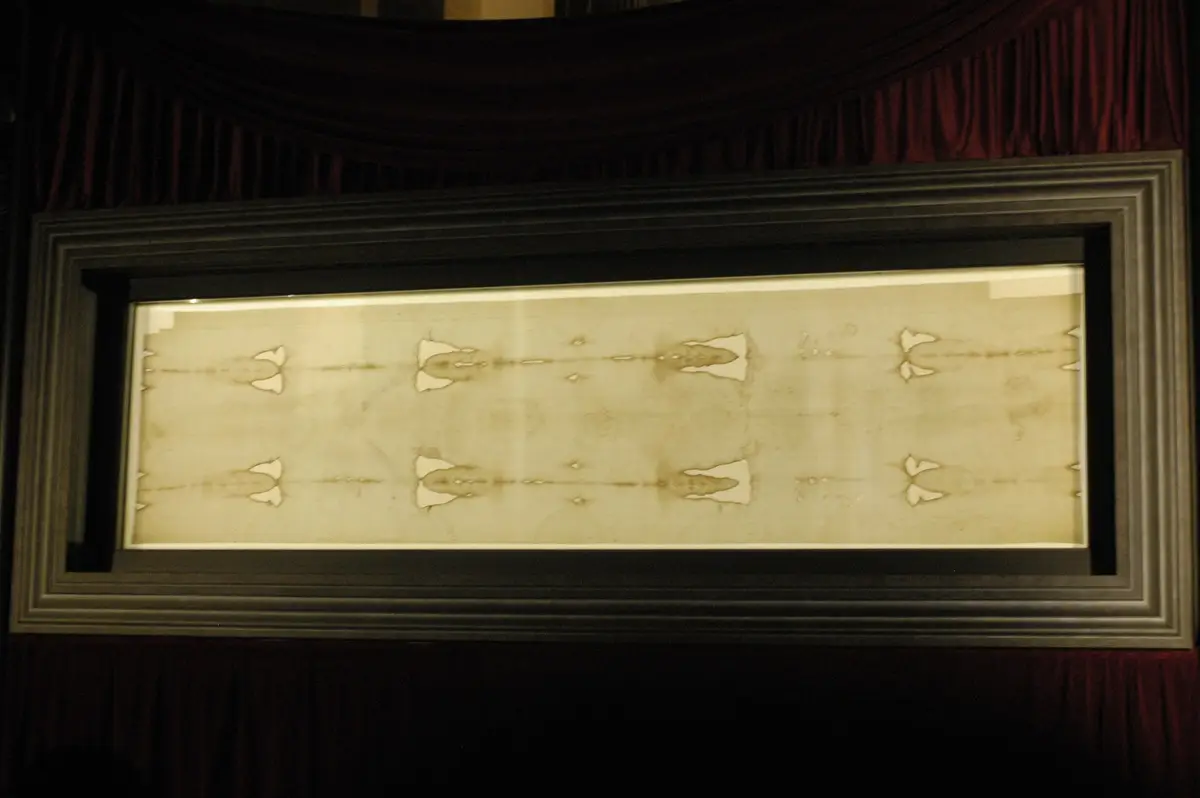
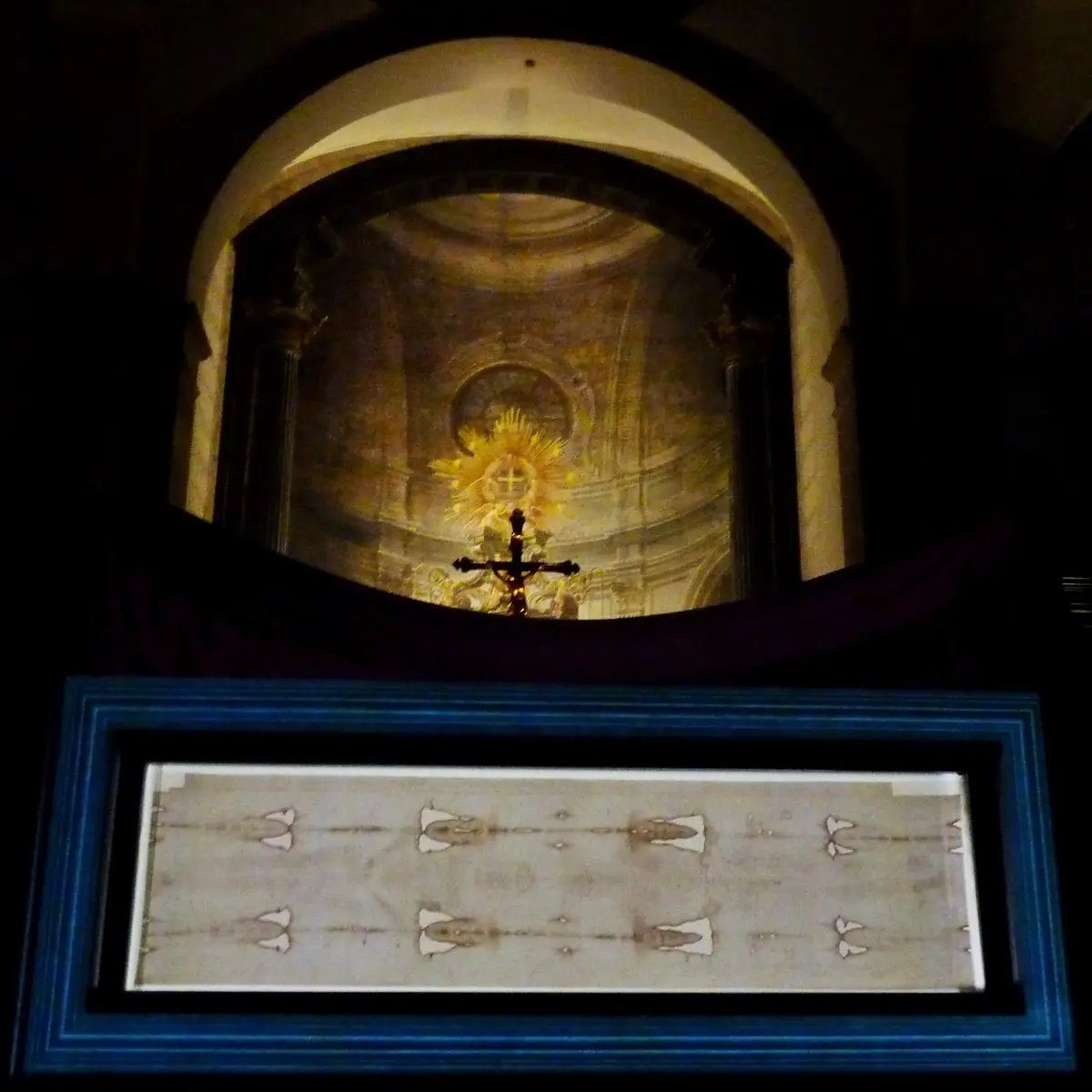
The Catholic Church has never declared the Shroud of Turin to be the burial cloth of Jesus. It has never declared it a fake. It has owned the cloth since 1983, permitted every scientific examination of it, announced the medieval carbon date itself, and calls the cloth an icon. No miracle has ever been formally attributed to it by any Church process. Documented JP II 1998 SSI 1988
That position is older than it looks.
1390: a figure or representation
When the Bishop of Troyes complained to Pope Clement VII about the Lirey cloth, the Pope did not suppress it. He ruled in 1390 that it could continue to be shown, provided it was announced aloud at each showing that it was a "figure or representation" of the true shroud and not the thing itself. The ruling was never formally reversed. Documented d'Arcis History
1506: a feast, not a verdict
Pope Julius II approved a feast of the Holy Shroud for the House of Savoy. A liturgical approval is permission to venerate; it is not a finding about the object. Documented History
The twentieth century: cooperation
Every modern examination has happened with the Church's permission: Pia's photographs in 1898, Enrie's in 1931, the commissions of 1969 and 1973, the examination of 1978, the radiocarbon sampling of 1988, and the restoration of 2002. The 1978 constraint, that nothing be destroyed, was a conservation decision. Documented Chronology
On 13 October 1988 Cardinal Ballestrero, custodian of the cloth, read the medieval date to the press in Turin himself, with his scientific adviser beside him, and left its evaluation to science. He did not dispute the laboratories. Documented SSI 1988
1998: John Paul II in Turin
On 24 May 1998, at the exposition for the centenary of Pia's photograph, John Paul II gave the fullest statement any pope has made. The sentences are from the Vatican's text. Documented JP II 1998
"Since it is not a matter of faith, the Church has no specific competence to pronounce on these questions. She entrusts to scientists the task of continuing to investigate, so that satisfactory answers may be found to the questions connected with this Sheet."
"For the believer, what counts above all is that the Shroud is a mirror of the Gospel."
He had come to see the cloth on 1 September 1978, as the Cardinal Archbishop of Kraków, on a pilgrimage he recalled later as pope. Documented JP II 1980
2010: Benedict XVI
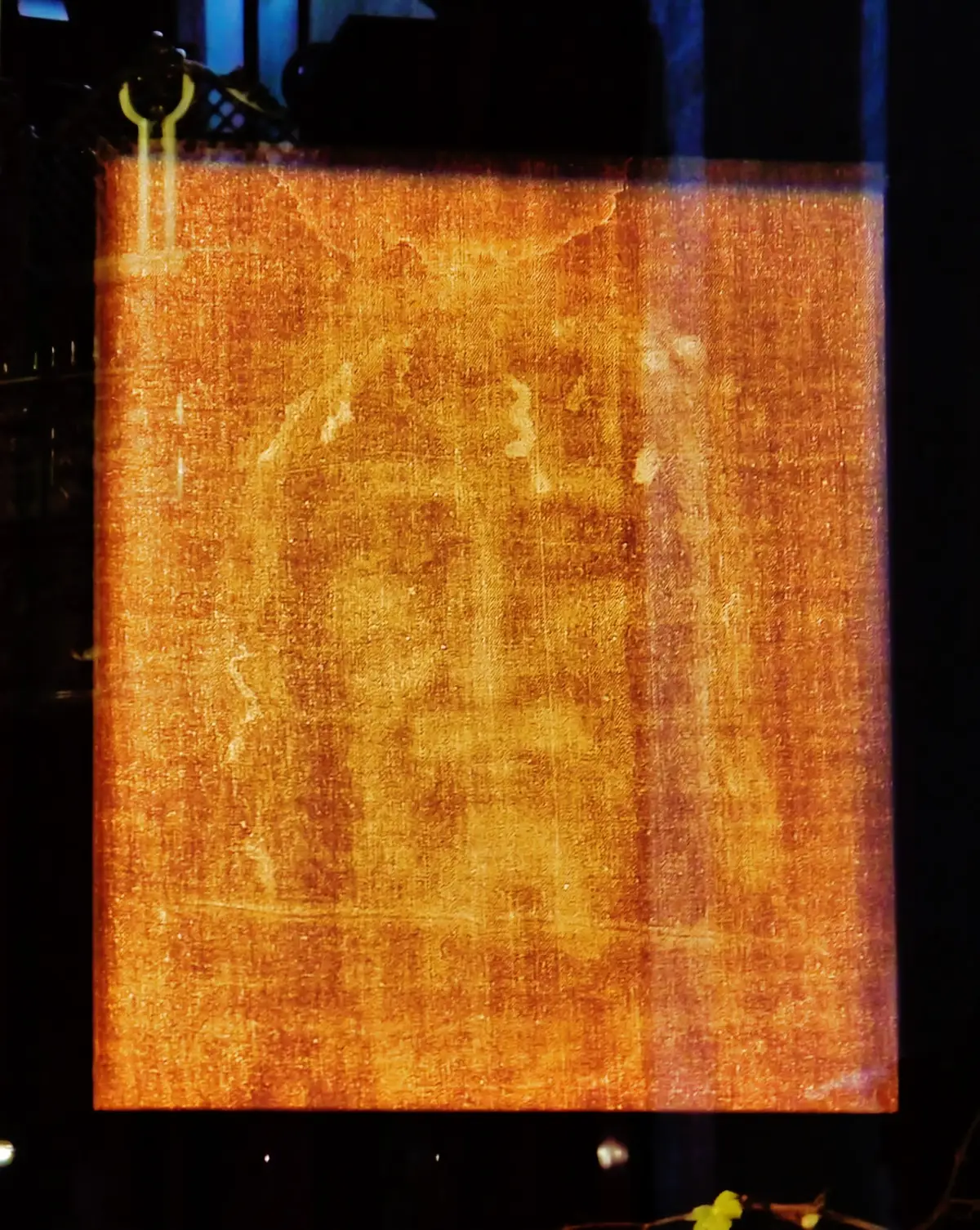
On 2 May 2010, at the exposition in Turin, Benedict XVI called the Shroud "an Icon written in blood," and described it as "a 'photographic' document, with both a 'positive' and a 'negative'." Documented Benedict 2010
2015: Francis
On 21 June 2015, before the cloth, Francis called it "an icon of love" and spoke of the man of the Shroud as inviting contemplation of the crucified Jesus. He made no claim about the cloth's origin. Documented Francis 2015
Why the Church does not need the cloth
The Church's position has a logic that is often missed. Nothing in Catholic teaching depends on the Shroud. The resurrection is a matter of faith attested by witnesses, not by linen. If the cloth were proved medieval tomorrow, no doctrine would change. The Church therefore has no stake in the answer and no reason to rule on it, which is close to what John Paul II said. JP II 1998
It is also why the Shroud is not on any list of Church-recognized miracles. The Church does keep such lists. At Lourdes, cures have been reported since 1858, a medical bureau has reviewed them since 1883, and the Church has recognized seventy-two, the latest in 2025. The apparitions at Fatima were approved by the local bishop in 1930. The Eucharistic miracle at Lanciano, flesh and blood preserved since the eighth century, was examined by a pathologist in 1971. The image on the tilma of Guadalupe has survived four and a half centuries on agave fiber. Each of these went through a process. The Shroud never has. It is not a miracle in the Church's bookkeeping. It is an object. Documented Lourdes Fatima Lanciano Guadalupe
Who owns it
From 1453 to 1983, the House of Savoy. Umberto II, the last King of Italy, in exile from 1946, remained the owner and gave the permissions of the 1970s. On his death on 18 March 1983 his will left the Shroud to the Pope, on condition it remain in Turin. The Holy See owns it; the Archbishop of Turin is its custodian. Documented Chronology
Last checked 2026-10-20.